

Begi-Nama
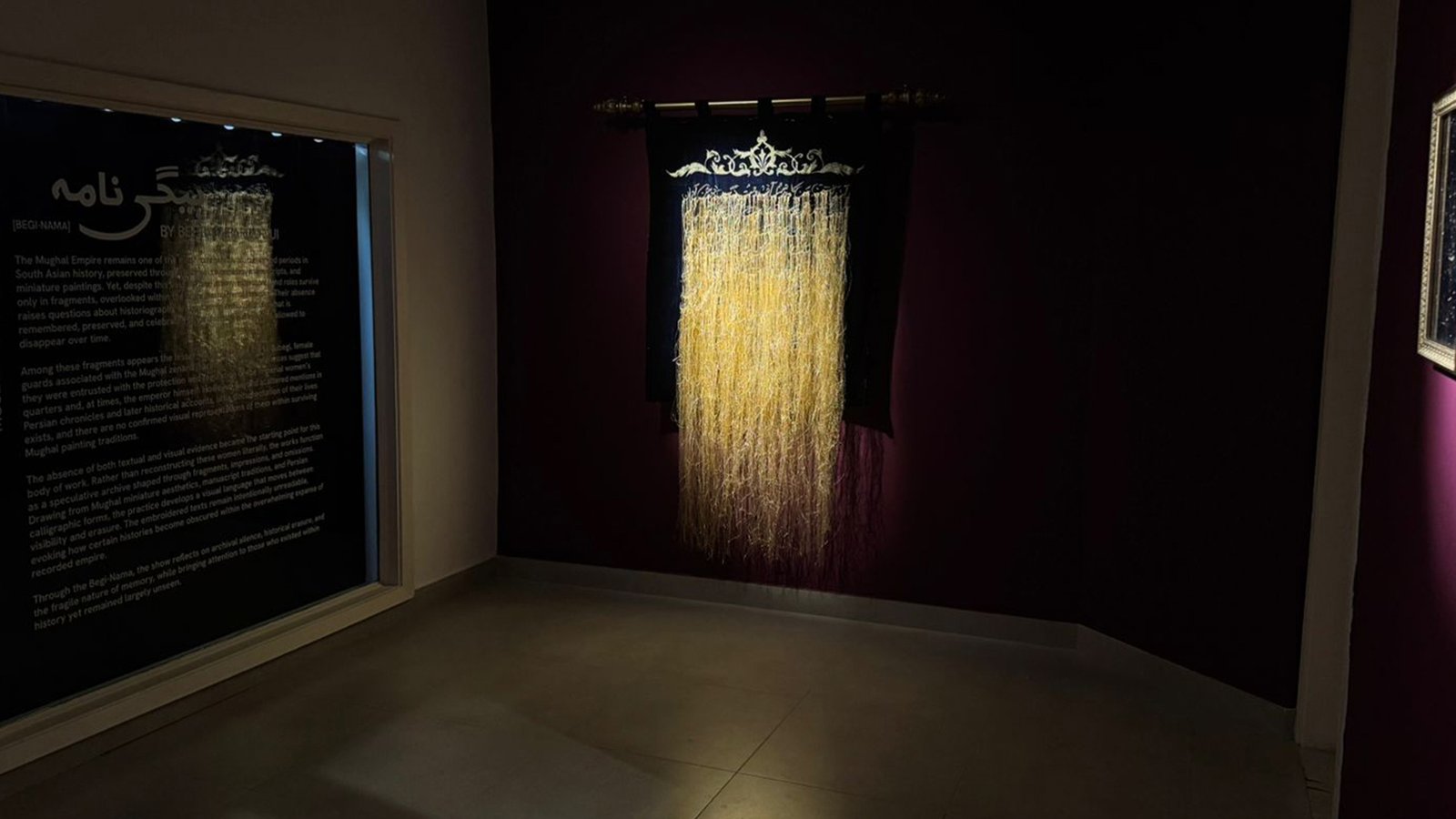
The Mughal Empire remains one of the most extensively documented periods in South Asian history, preserved through imperial chronicles, manuscripts, and miniature paintings. Yet, despite this vast archive, many individuals and roles survive only in fragments, overlooked within the larger narrative of empire. Their absence raises questions about historiography and authority: who decides what is remembered, preserved, and celebrated within history, and what is allowed to disappear over time.
Among these fragments appears the lesser-known figure of the Urdubegi, female guards associated with the Mughal zenana (harem). Historical references suggest that they were entrusted with the protection and regulation of the imperial women’s quarters and, at times, the emperor himself. However, beyond scattered mentions in Persian chronicles and later historical accounts, little documentation of their lives exists, and there are no confirmed visual representations of them within surviving Mughal painting traditions.
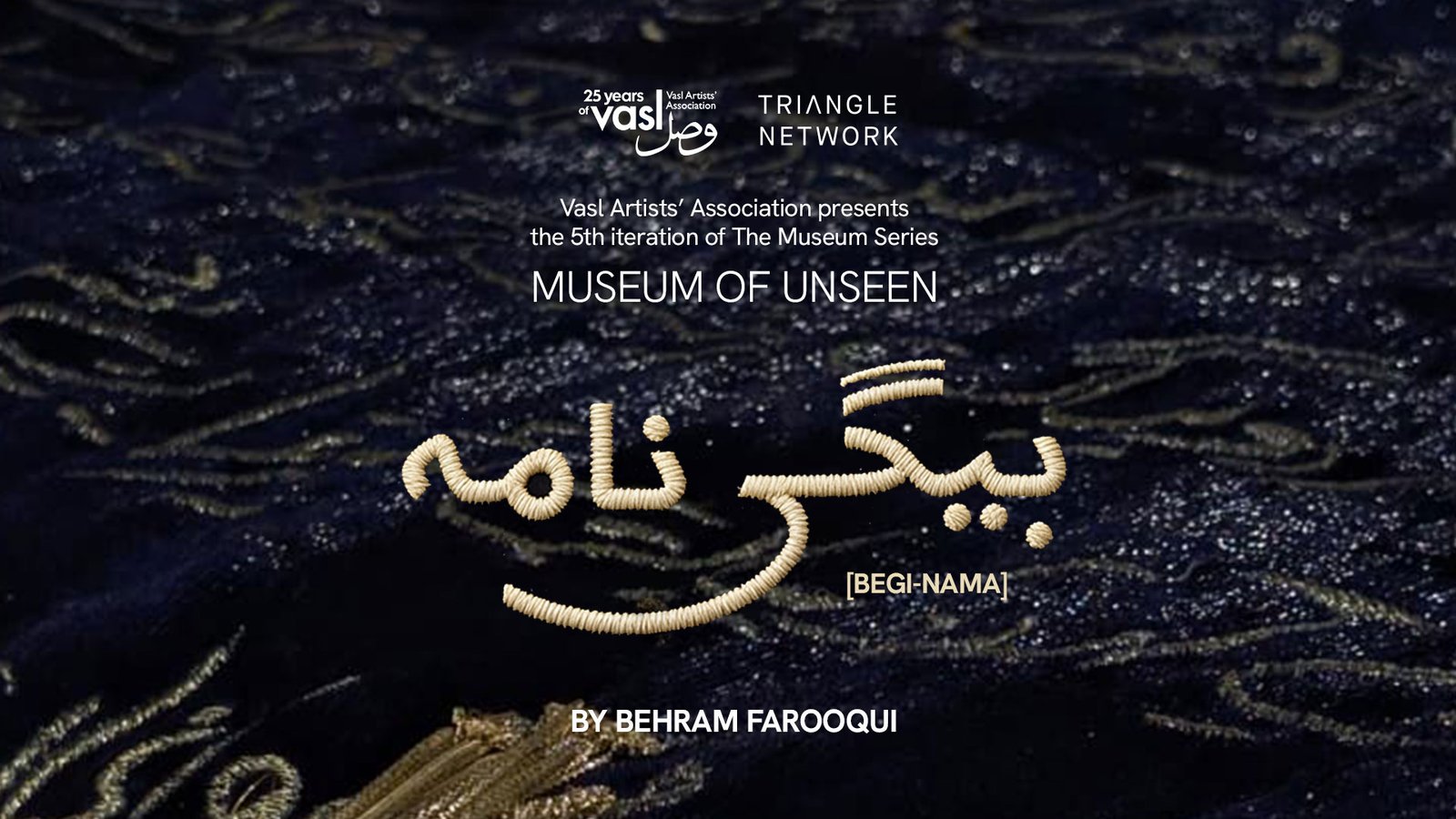
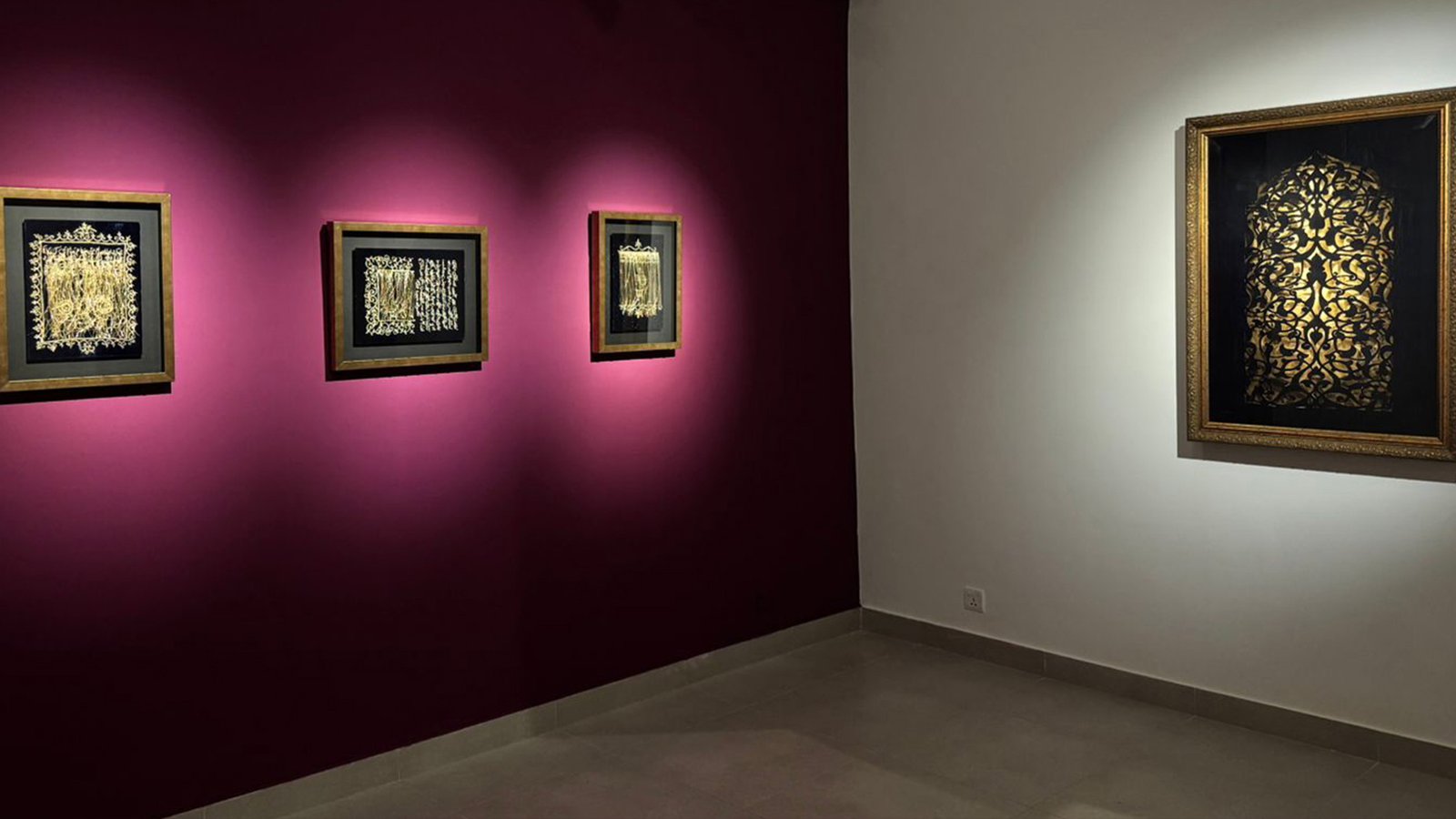
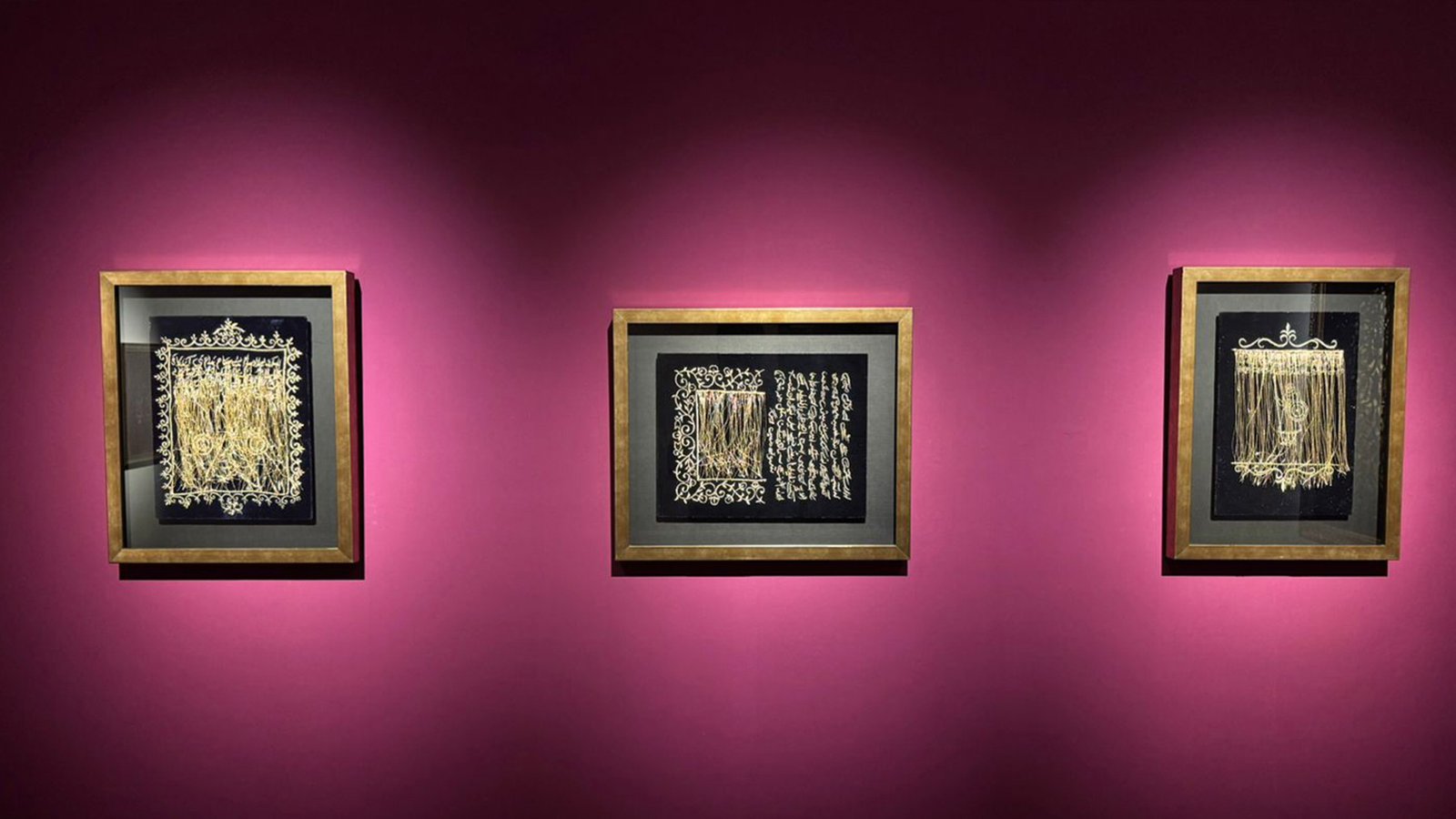
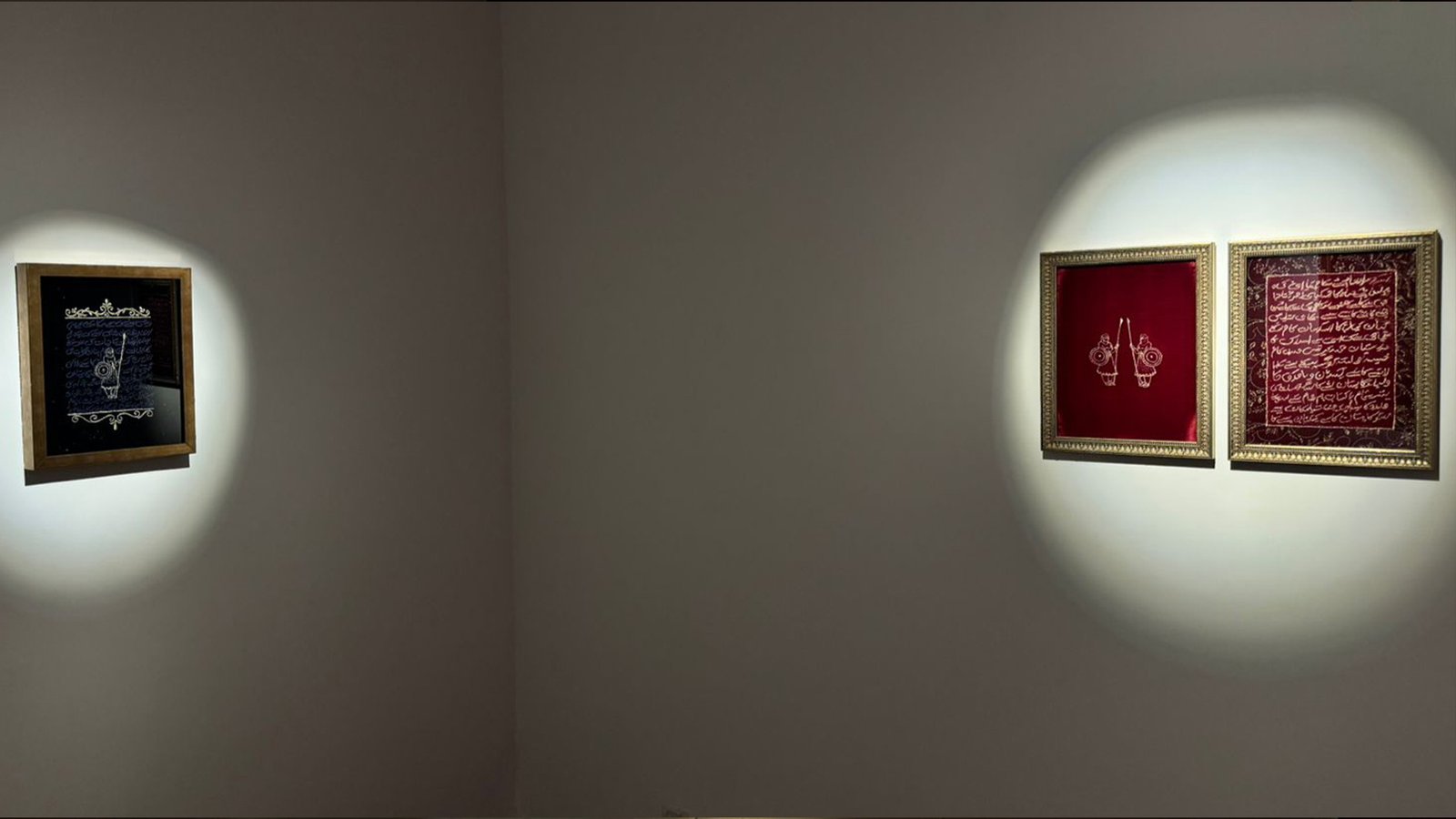
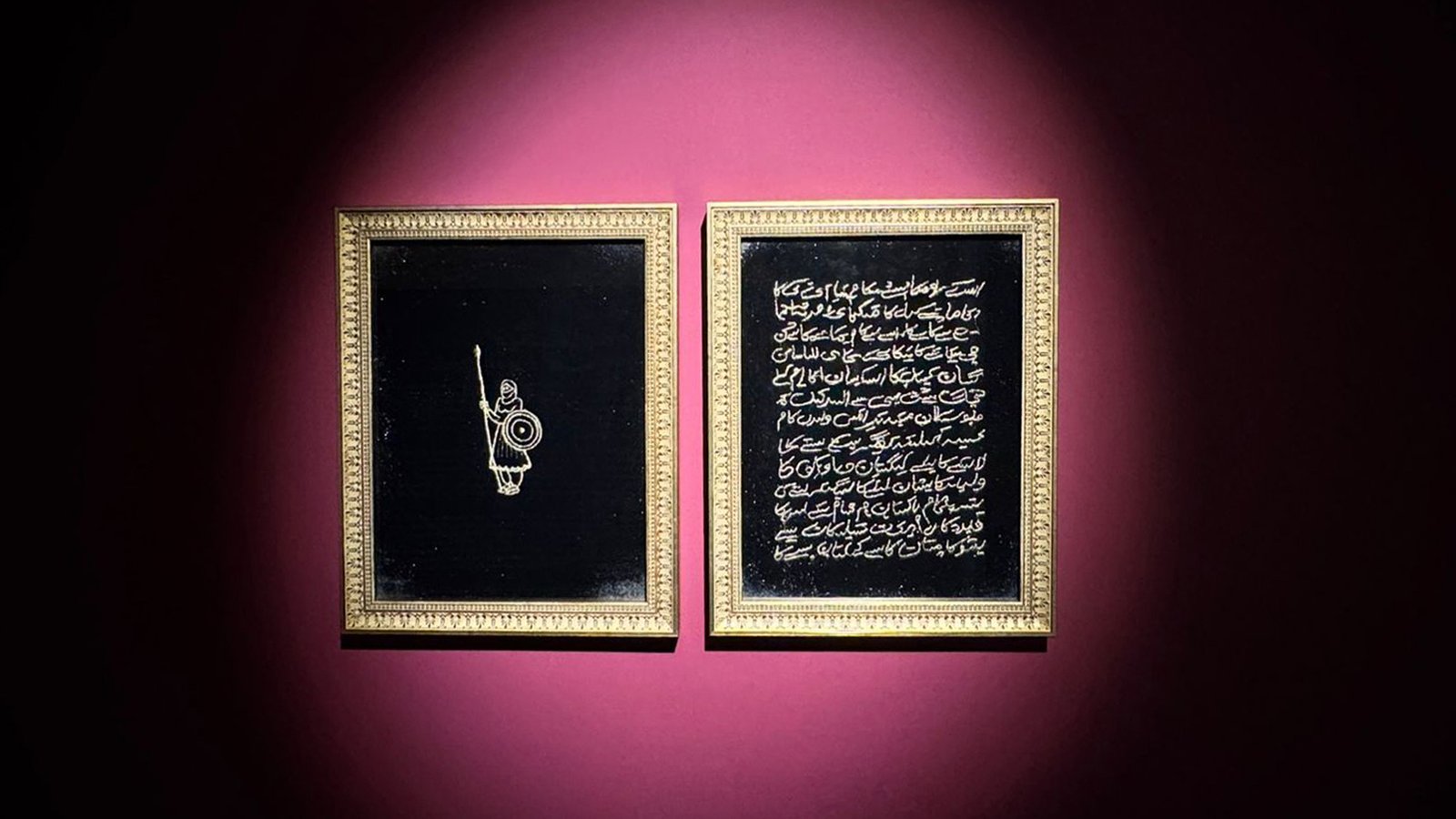
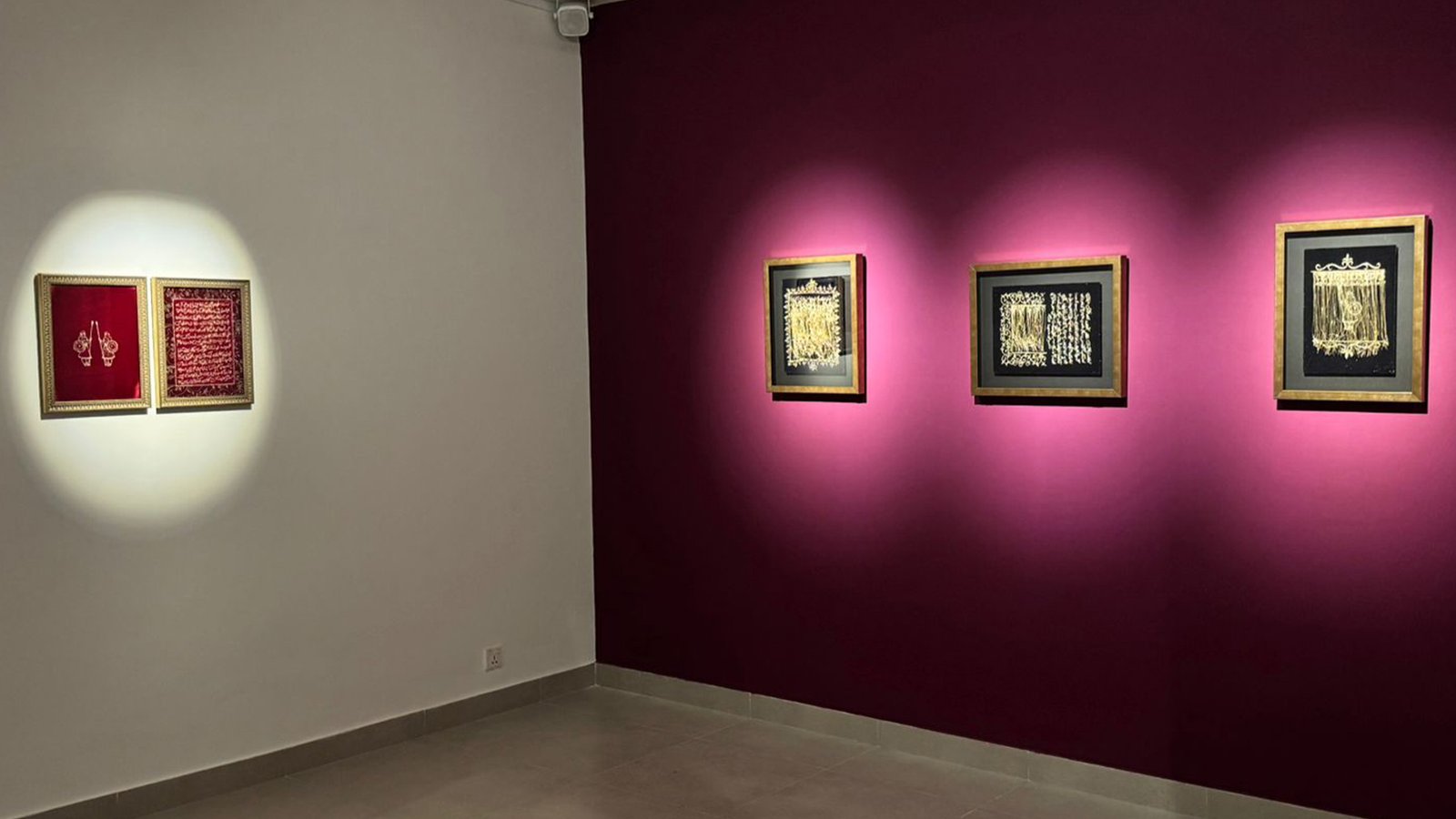
The absence of both textual and visual evidence became the starting point for this body of work. Rather than reconstructing these women literally, the works function as a speculative archive shaped through fragments, impressions, and omissions. Drawing from Mughal miniature aesthetics, manuscript traditions, and Persian calligraphic forms, the practice develops a visual language that moves between visibility and erasure. The embroidered texts remain intentionally unreadable, evoking how certain histories become obscured within the overwhelming expanse of recorded empire.
Through the Begi-Nama, the show reflects on archival silence, historical erasure, and the fragile nature of memory, while bringing attention to those who existed within history yet remained largely unseen.
Supported By: