Waah-e-Watan, Ushken Daar – Glory be to the Land, Stripped and Barren
Artist Statement
In my work for the Museum of Sound, I explore the intersection of tradition, memory, and technology by reimagining sound as a tangible and immersive experience. Drawing from Baluch heritage and personal sonic encounters, I incorporate traditional sounds—such as the rhythmic chants of Nar Sur, the gentle melodies of lullabies like Nazeenk and Liko, and the resonant echoes of Washamad greetings—into contemporary installations.
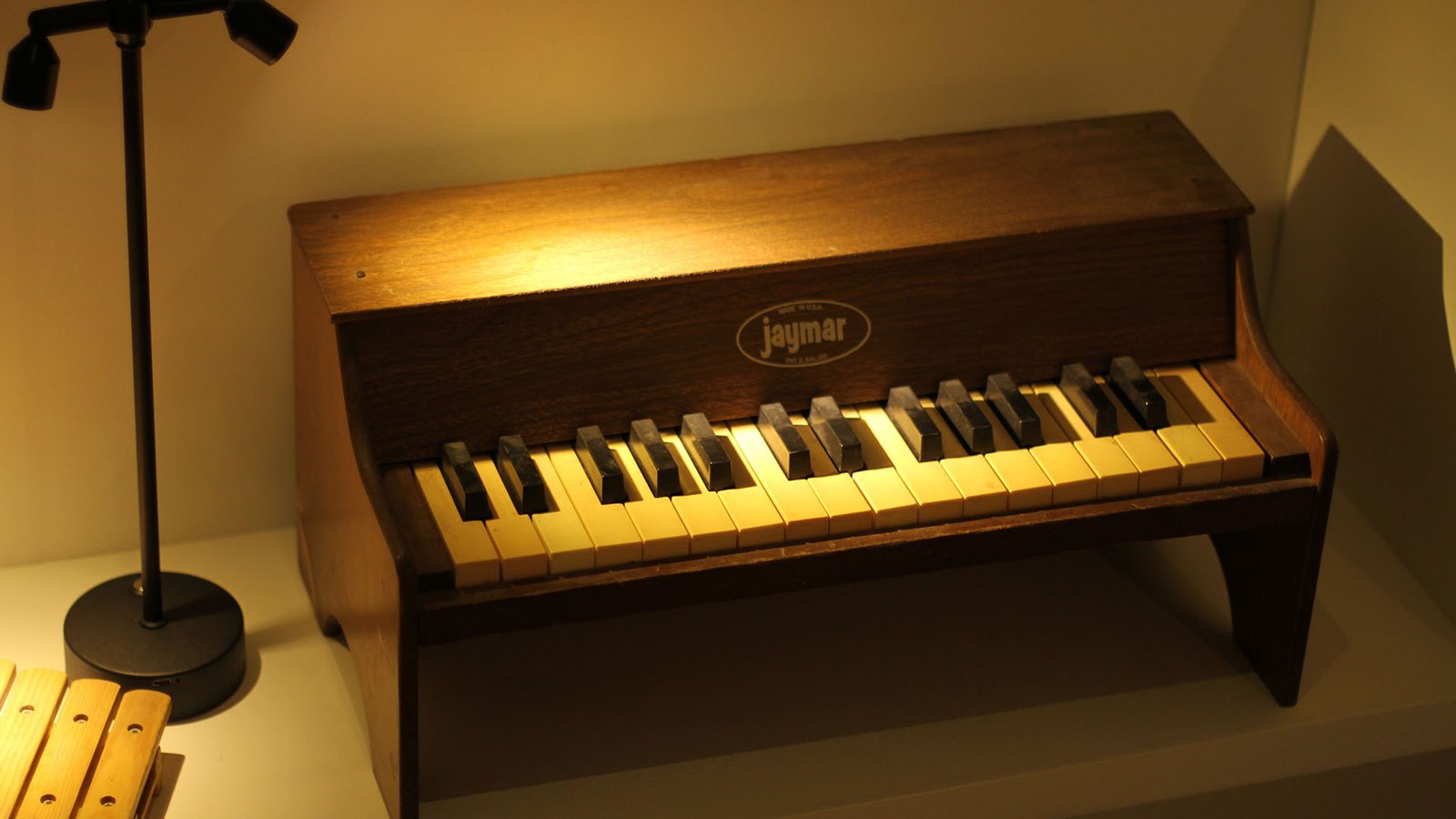
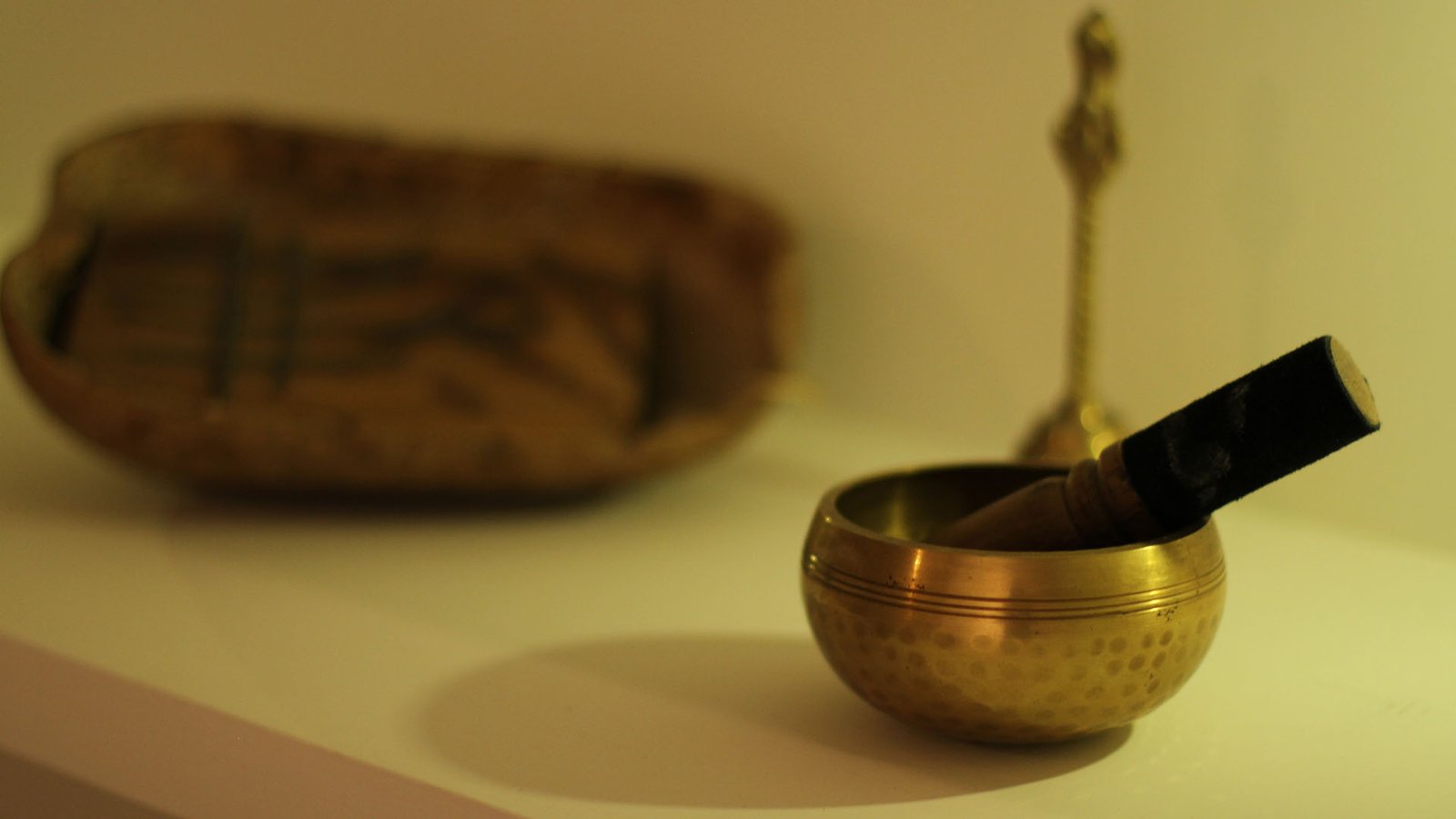
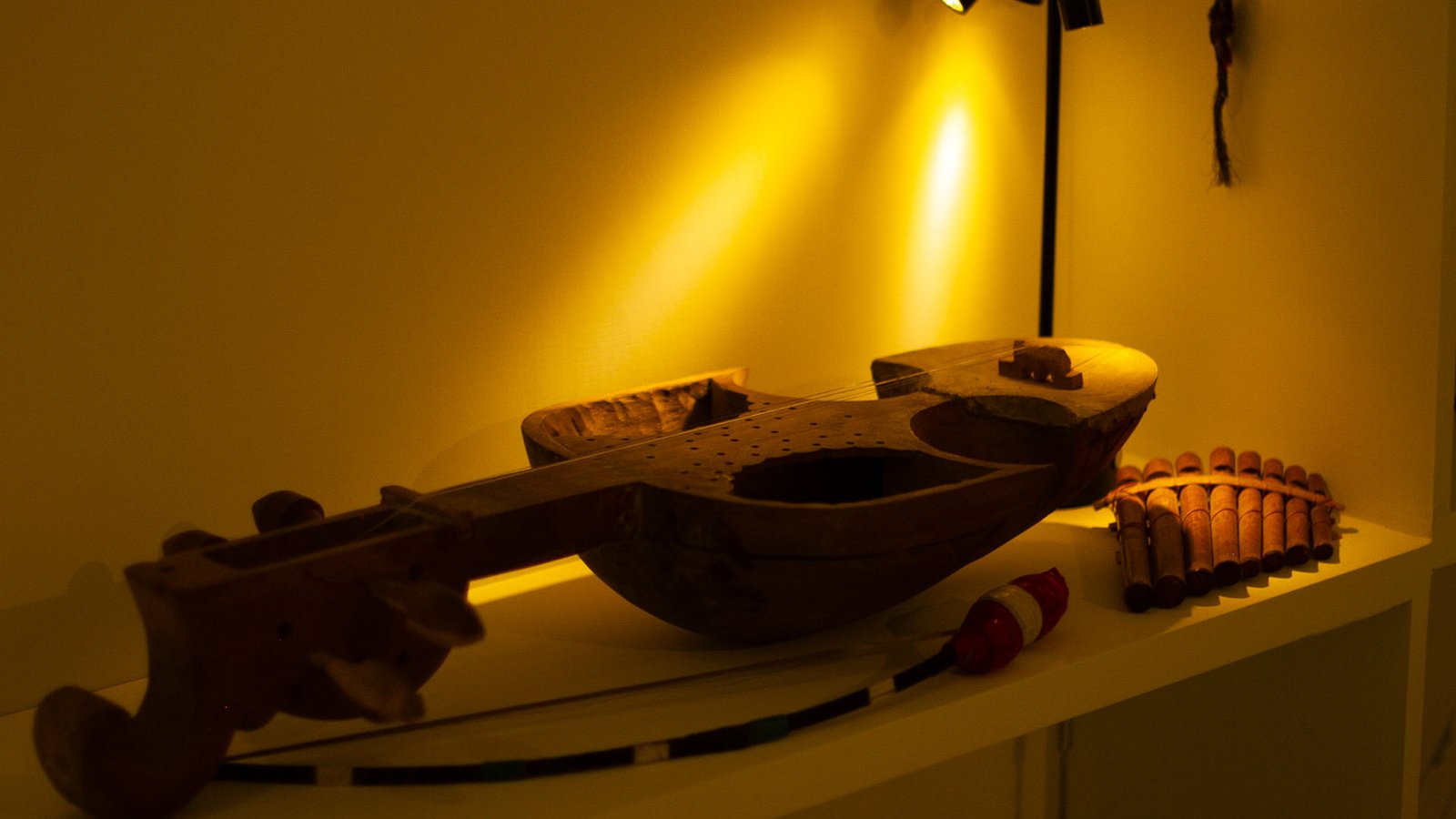
Through this project, I aim to preserve and reinterpret these cultural soundscapes by integrating them with new media technologies, creating interactive environments where audiences can engage with sound beyond passive listening. I have studied objects and collected instruments, which are very innate in nature, such as Baoding balls, a singing bowl, a gramophone, a thumb piano, a Suronz, and a pan flute, some of which produce sound through mechanical movement, offering a sensory experience that bridges the gap between the physical and the ephemeral. As a whole, my interest lies in experimental exploration of sound, with unconventional methods to challenge perceptions and evoke deeper emotional and physical responses.
Durrie Baloch (b. 1997, Quetta, Balochistan), now based in Lahore, is a new media artist, writer, and researcher. She graduated with Distinction in Painting from the National College of Arts, Lahore, in 2021. Her work explores themes of identity, culture, and existence by transforming everyday moments into digital animations, immersive installations, and experimental sound art.
Durrie’s sound exploration is rooted in cultural and personal narratives, drawing from the rich sonic traditions of her Baloch heritage. She is particularly fascinated by the traditional vocal expressions of Baloch women from her village, Nushki—such as the heartfelt greetings Washamad, lullabies like Nazeenk and Liko, and the powerful chants of Nar Sur, a form of storytelling through oral traditions. These sounds have deeply influenced her practice, inspiring her to explore their contemporary relevance through installations and performances that merge tradition with new media.
She has exhibited at venues like O Art Space, Ejaz Art Gallery, Artciti Gallery, and Zahoor ul Akhlaq Gallery, and internationally at the Han International Artist Residency in Turkey and the International Painting Symposium in Romania. As a member of Sangat Nepal, a feminist network, she uses art as a tool for activism, addressing gender, identity, and cultural preservation.
Currently, Durrie teaches drawing and art seminars at the National College of Arts, Lahore, where she also manages the Fine Arts department’s social media.
Collaborators
Abdul Basit
Abdul is a product designer from Quetta, Pakistan, who recently graduated with a Bachelor’s degree in Product Design from the National College of Arts, Lahore. His journey into design was sparked by a deep passion for cars, which led him to explore innovative solutions that address real-world challenges. His work spans a diverse range of design projects, from no-to uch tools for COVID-19 to foldable tech gadgets, modular assistive robots, and multi-functional products.
He has honed his skills through various hands-on experiences, including an upcycling workshop with Patricia Yasmine Graf from Germany, where he explored sustainable design practices. Basit has also contributed to prestigious design events like the Lahore Biennale and participated in a UI/UX workshop with Folio3. His expertise spans 3D modeling, woodworking, rapid prototyping, and CNC machining focusing on creating functional and engaging products that seamlessly integrate technology and interactivity, with the goal of enhancing everyday life through thoughtful and sustainable design solutions.
Mehdi Hosseini
Mehdi Hosseini was born in Tehran, Iran, and received his master’s degree and Doctor of Music degree (DMA) in Composition from Saint Petersburg State Conservatory, named after N. A. Rimsky-Korsakov. His major teachers include Farhad Fakhreddini, Prof. Alexander Minatsakanian, and Prof. Sergei Slonimsky in composition, and Professor Tatiana Bershadskaya in Musicology.
Hosseini’s compositions include works for large orchestra, chamber orchestra, and various ensembles and has been performed and recorded by orchestras and ensembles such as the St. Petersburg State Philharmonic Symphony Orchestra, the Saint Petersburg Academic Symphony Orchestra, North-Ossetian State Symphony Orchestra, Ensemble intercontemporain, Namascae, Lemanic Modern Ensemble, PluralEnsemble, Ensemble Proton Bern, Studio for New Music Ensemble, Moscow Contemporary Music Ensemble and more. His works have been published by the Compozitor Publishing House (Russia), and Donemus (Netherlands).
Supported By: