
About
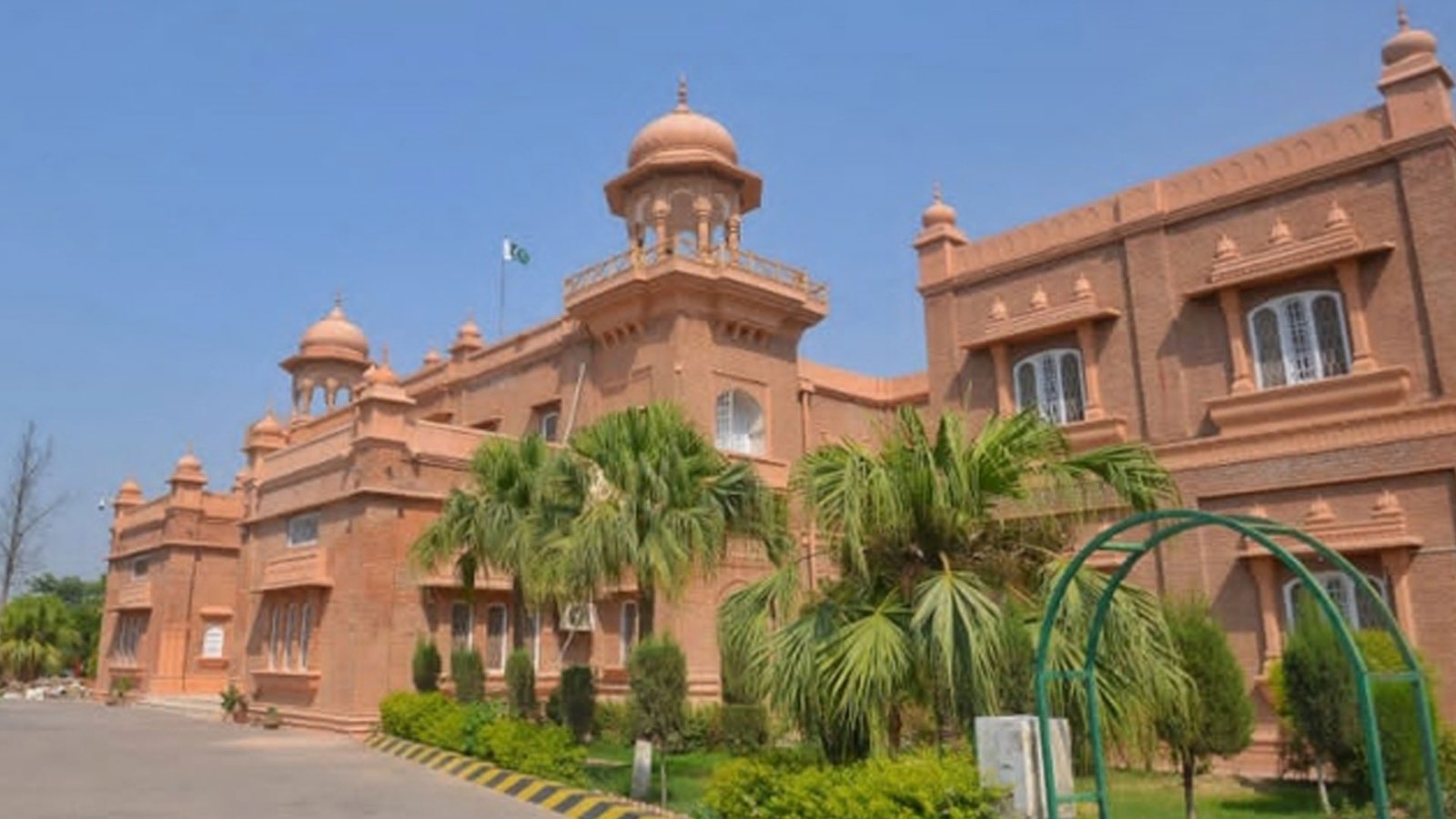
Peshawar Museum is one of Pakistan’s most important archaeological museums and a major centre for the study of Gandharan art. Established in 1907, it was originally created to house sculptures excavated from key sites in and around the Peshawar Valley, including Shah-ji-ki-Dheri, Takht-i-Bahi, Sahri Bahlol, and Jamal Garhi. The museum building, with its blend of British and Mughal architectural elements, is itself part of Peshawar’s colonial-era heritage.
The museum is best known for its extensive collection of Buddhist sculpture from the Gandhara period, which flourished in the region from roughly the second century BCE to the sixth century CE. Its galleries include stone reliefs, statues of the Buddha and bodhisattvas, narrative panels from the life of the Buddha, architectural fragments, and devotional objects. These works show the meeting of local, Central Asian, Persian, and Hellenistic artistic influences that gave Gandharan art its distinctive character.
Alongside the Gandharan collection, Peshawar Museum holds coins, manuscripts, Islamic art, ethnographic material, and objects from the broader history of Khyber Pakhtunkhwa. Together, these collections place Gandhara within a longer regional story of trade, belief, craftsmanship, and cultural exchange. The museum remains an essential resource for anyone interested in the ancient history of north-western Pakistan and the artistic traditions that developed there.