
About
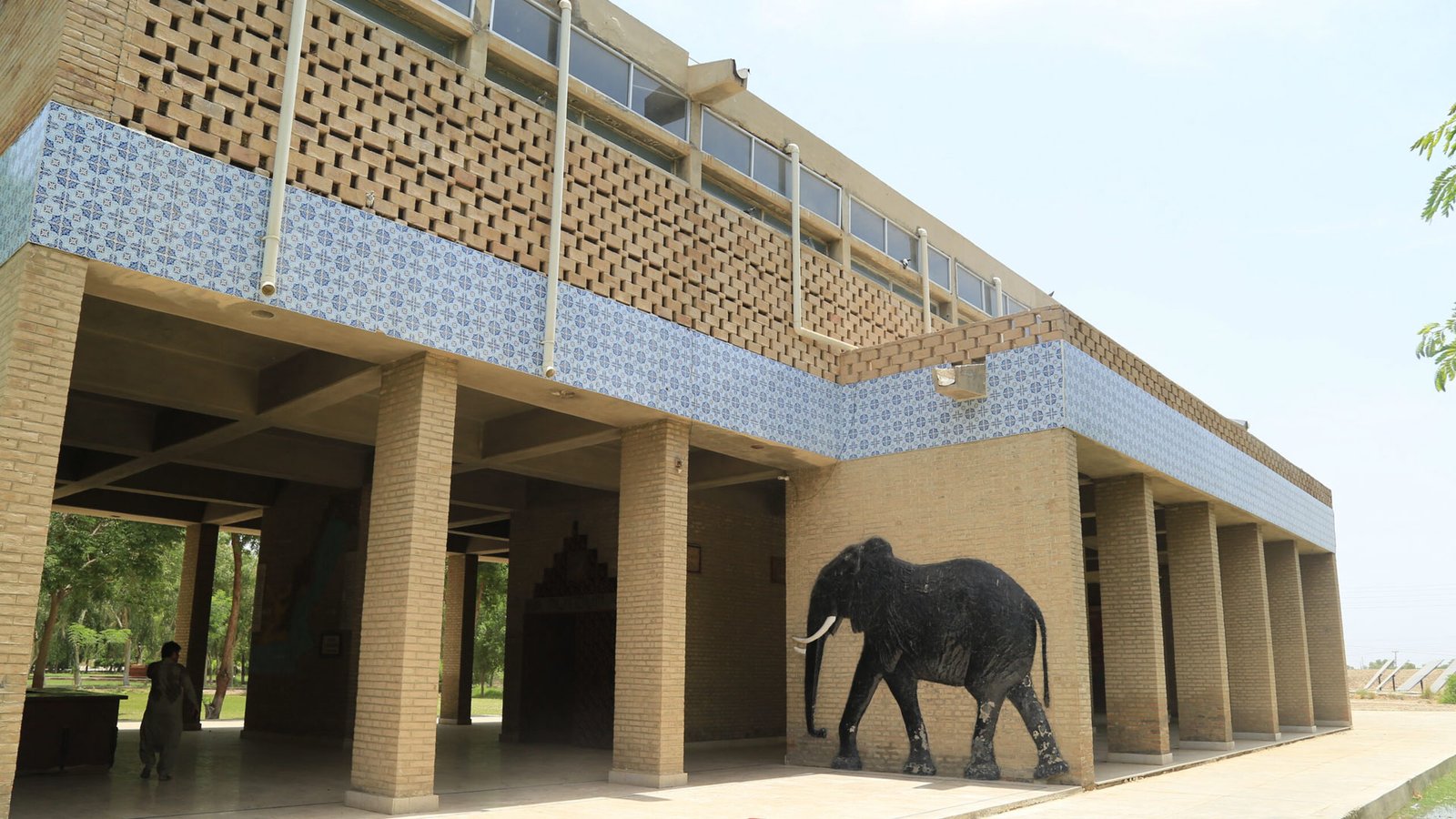
Mohenjo-daro Museum is located beside the archaeological ruins of Mohenjo-daro in Larkana District, Sindh. The museum presents objects recovered from one of the largest and best-known cities of the Indus Valley Civilisation, which reached its height in the third millennium BCE. Together with the nearby ruins, it gives visitors a fuller view of a city that was carefully planned, densely inhabited, and connected to a wider network of trade and exchange.
Its collection includes pottery, seals, terracotta figurines, beads, jewellery, tools, weights, and other objects used in daily life. These materials show the skill of Mohenjo-daro’s craftspeople and the organisation of its society: standardised weights point to regulated trade, seals suggest systems of identification or administration, and pottery and household objects reveal the routines of cooking, storage, and domestic life. The objects are displayed alongside information about the city’s streets, drainage system, wells, public buildings, and neighbourhoods.
Mohenjo-daro is a UNESCO World Heritage Site and one of the central archaeological sites of South Asia. The museum is important because it keeps the city’s smaller, portable remains close to the place where they were found. It allows visitors to move between the excavated landscape and the objects that once belonged to its residents, making the scale and sophistication of this ancient urban community easier to understand.