
PAKGHOR – The Social Kitchen (I-VI)
About:
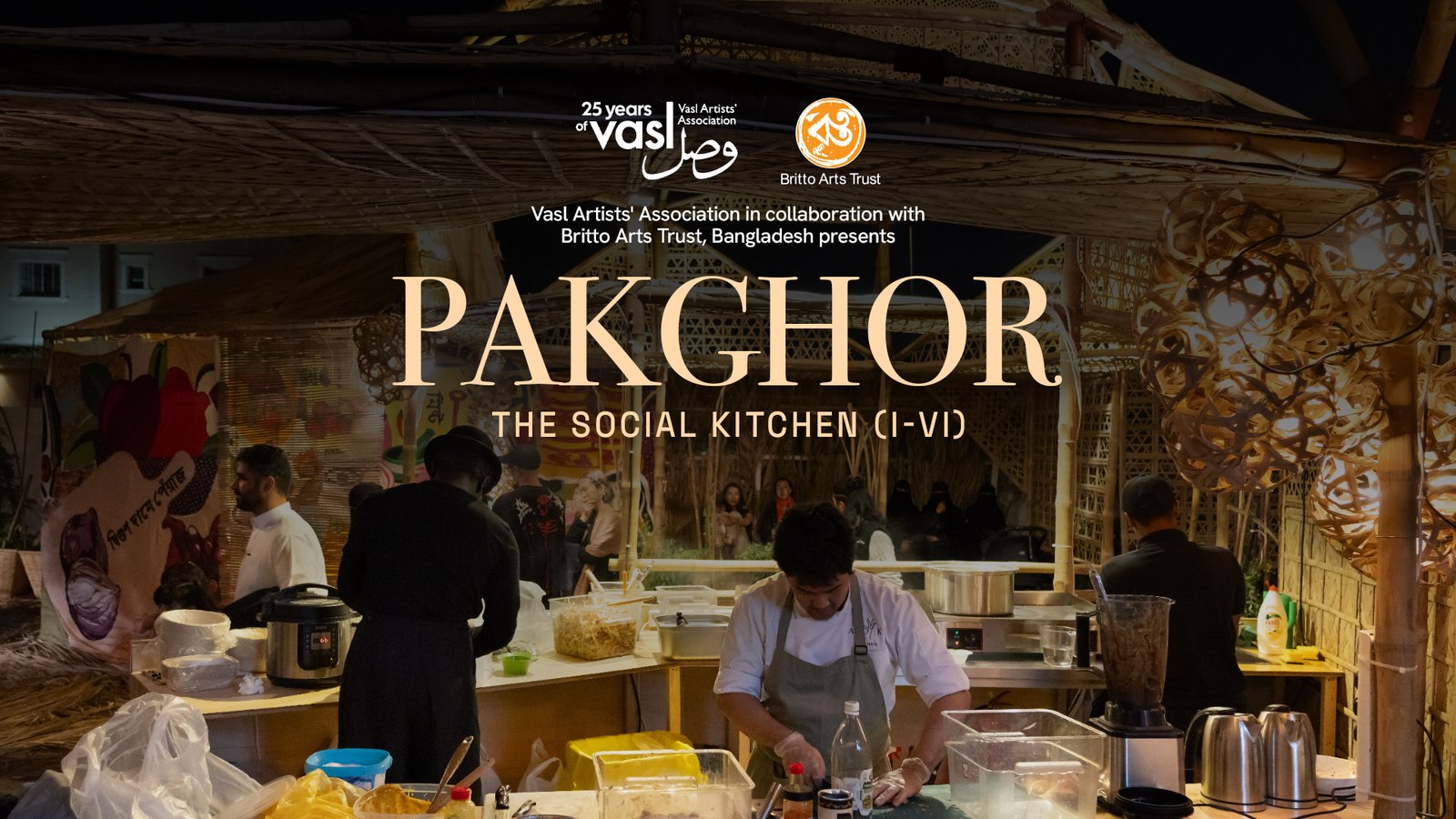
In Bangla, PAKGHOR stands for the traditional kitchen. In the countryside of Bangladesh, we did not have a concept of a living room or dining room in the past. PAKGHOR was the place that usually covered both the needs of a family. It is indeed a meeting place for family members where they share, discuss, chat, plan, and so on as part of family life. From serious discussion to fun to emotion to anger, or from plan to process to result related to one’s life, it eventually becomes part of a PAKGHOR. While the women of the family cook, other members provide company in many ways. Although there is no sofa or dining table, PAKGHOR is typically intended as a space at home for cooking, sitting, talking, eating, and spending time together.
The effect of Food Politics as a global language that somewhat responds to war, politics, displacement, migration, commercially grown food, food control, colonization, famine, hybrid culture, and the inorganic lifestyle we live in. Despite all the negative effects on our society, environment, and culture, we are trying to look back into our ethnicity, our own roots, and the culture that our ancestors lived in. Recalling the simple and natural lifestyle and culture, we are stepping ahead to share this with a wider global audience. History repeatedly shows that behind all wars and political crises, food played a vital role in shaping the global economy.
Displacement, migration, and forced migration have historically become part of our lives, and it is still going on. From village to town to city to the capital to another country- a never-ending process due to the centralization of every possible opportunity to live with. We speak about decentralization and decolonization often without searching out the hidden issues of world politics of dominance. The overpowering socio- political structure does not allow the majority to move forward from their own locations. Apart from many other values, we carry out the stories of our families, the taste of food, memories, emotions, and so on. Looking at oneself, food is typically considered a vital part of life. The recipes that were followed by our ancestors are not recorded. We usually carry the taste and memory of our favorite food along with us, as well as the stories of the food, despite the unavailability of the necessary ingredients or supplementary articles to cook the same food that we possibly experienced in our very own PAKGHOR in the past.
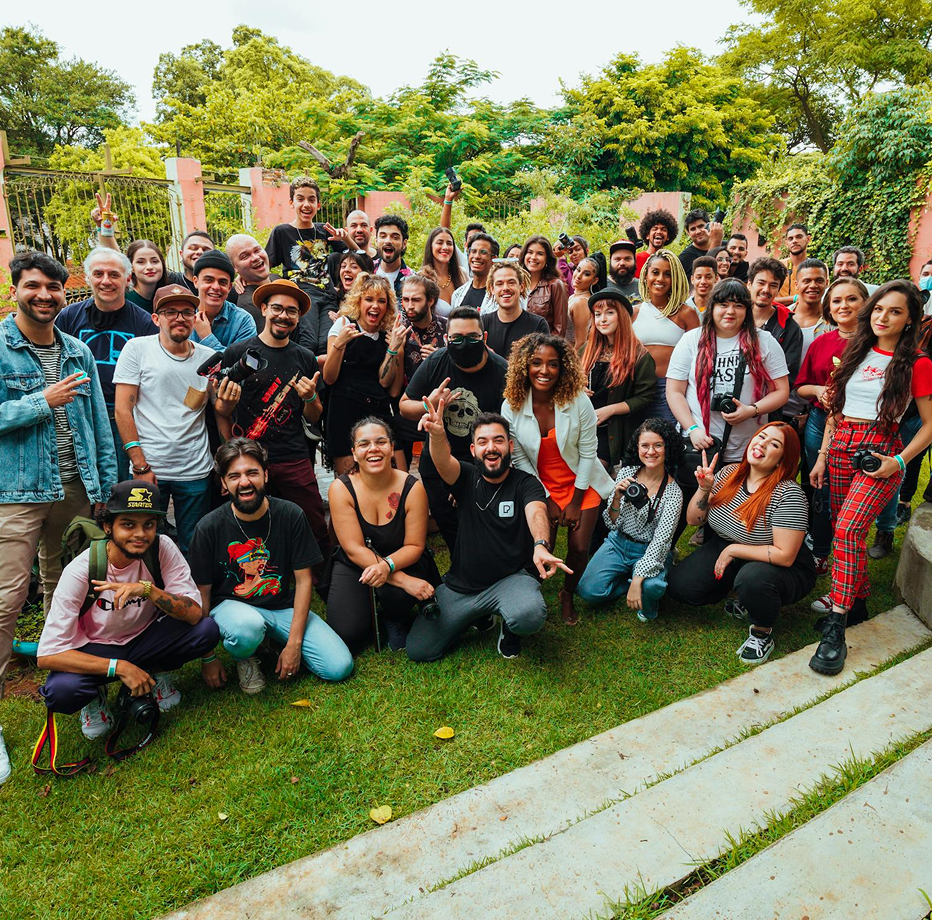
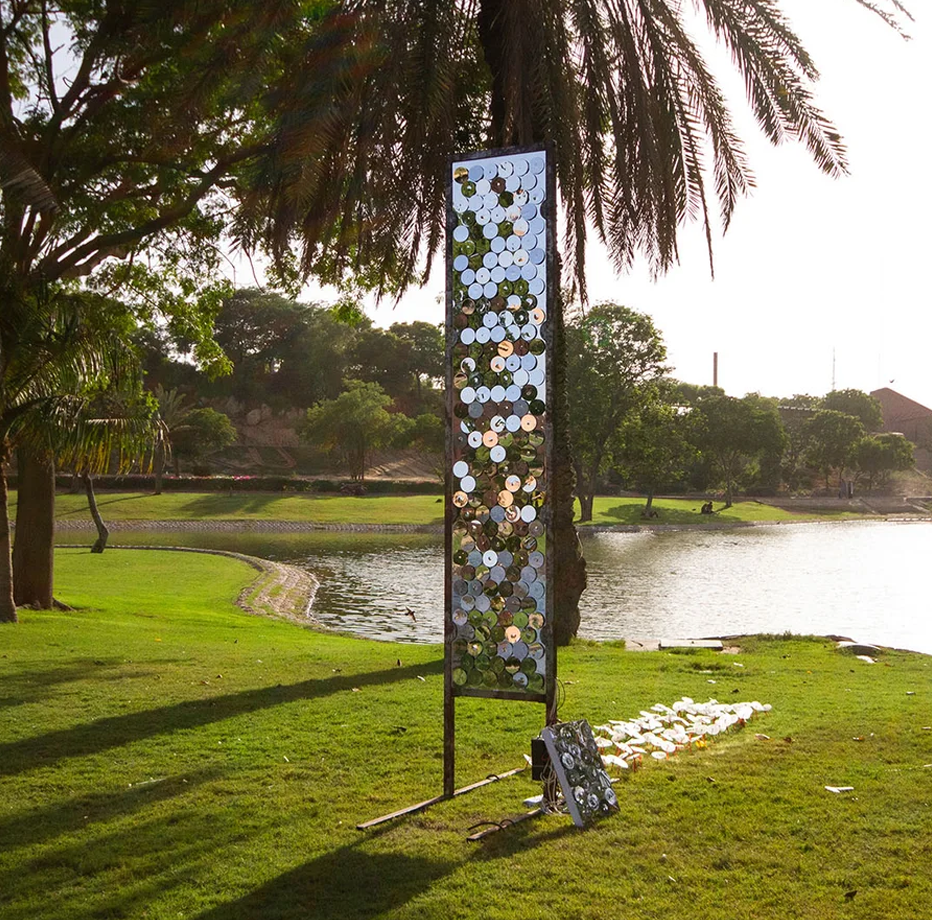
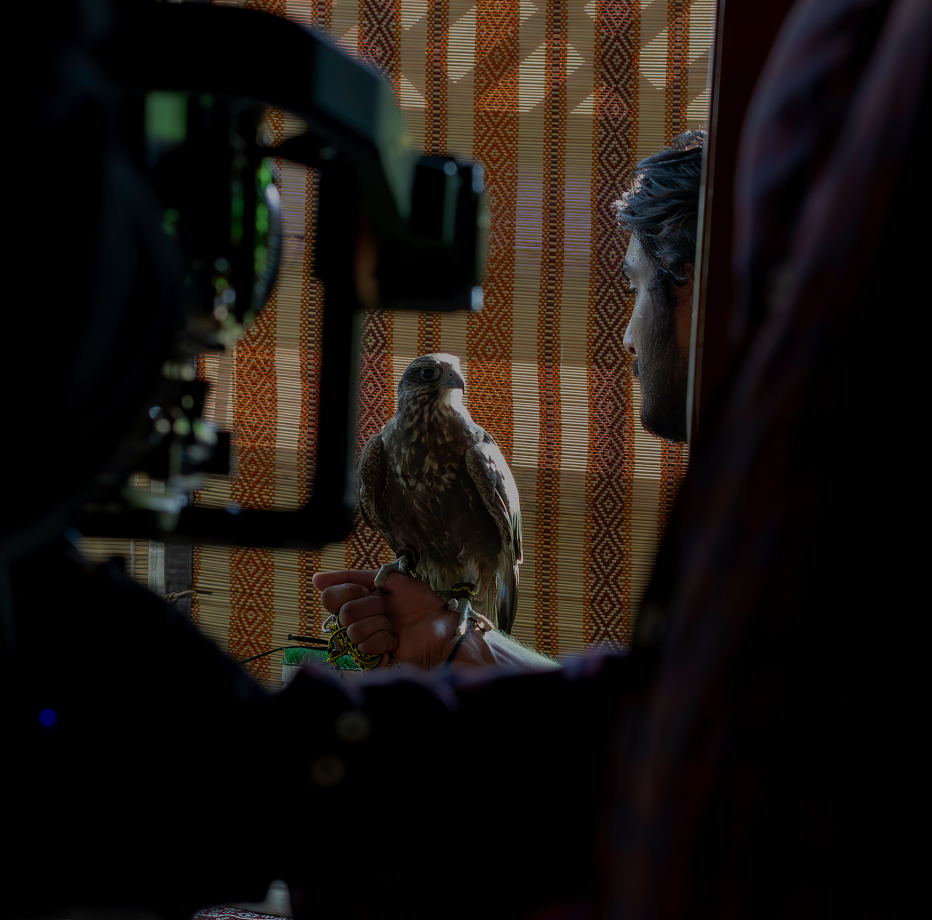
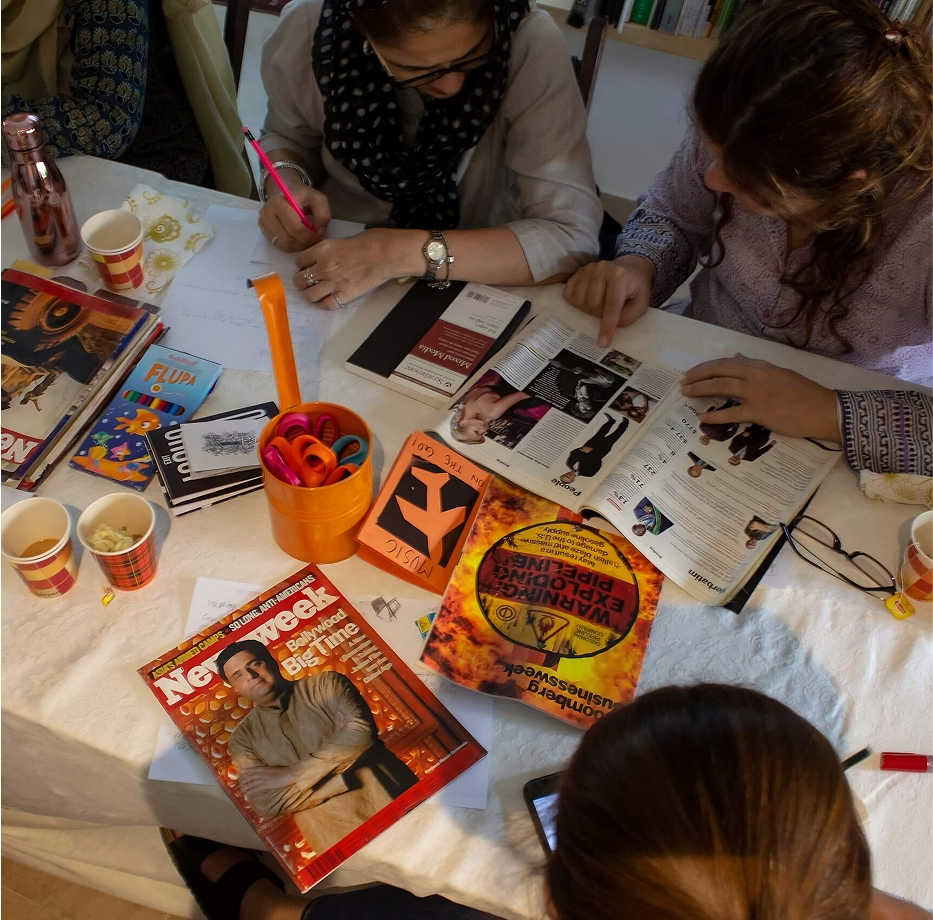
This exhibition presents documentation from past iterations of PAKGHOR: The Social Kitchen, which have taken place across diverse global locations, including Kassel, Paris, Riyadh, Rome, Dhaka, and Zurich. Vasl Artists’ Association showcases these archival materials to highlight the project’s evolving cross-cultural explorations of food, art, memory, and hospitality.
Architectural and structural design by Mahbubur Rahman & Kazi Sydul Karim.