
About
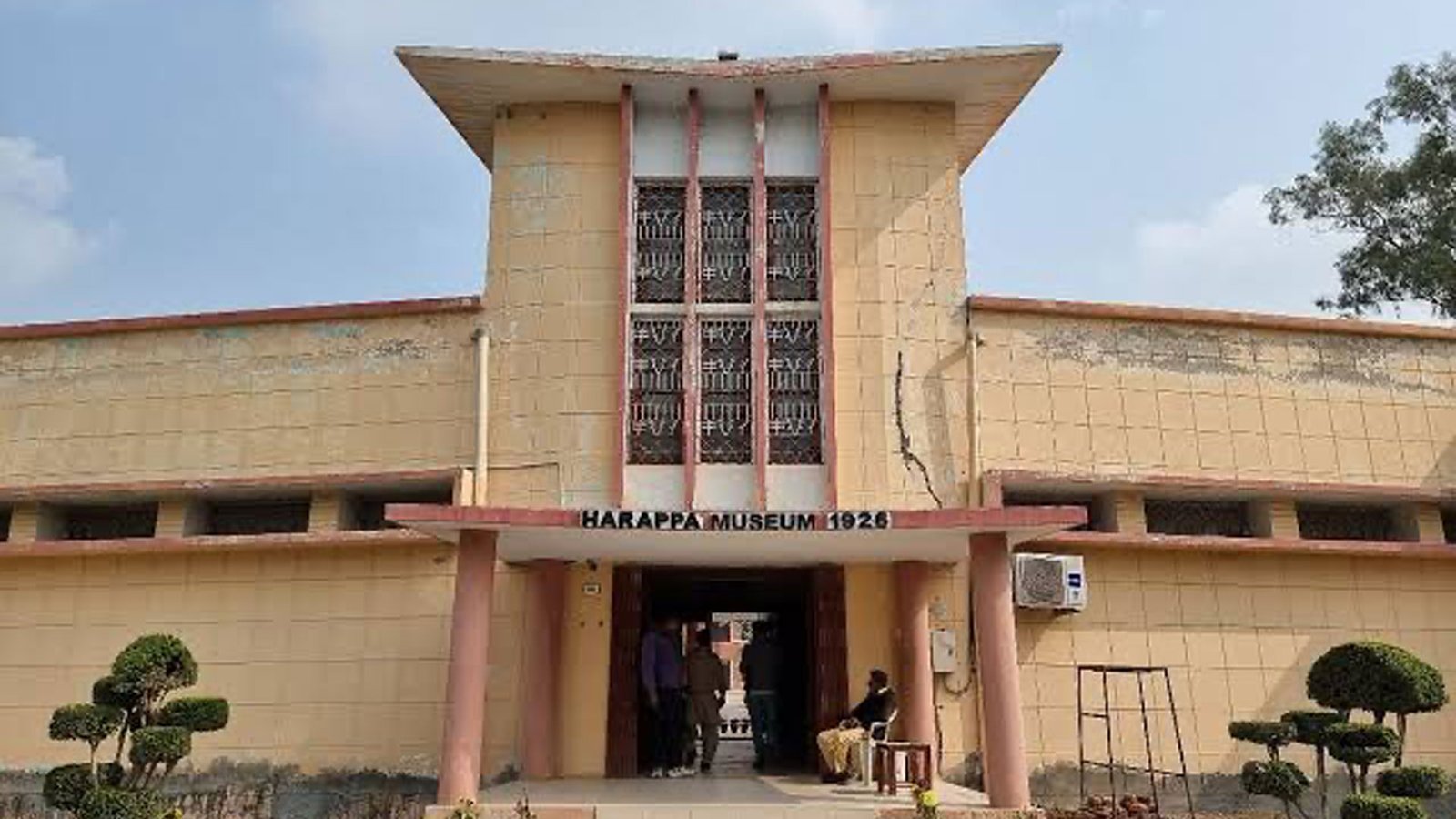
Harappa Museum is located beside the archaeological site of Harappa in Punjab, near Sahiwal. It introduces visitors to one of the major urban centres of the Indus Valley Civilisation, a Bronze Age culture that flourished across large parts of present-day Pakistan and north-western India. Harappa was the first site where the scale and significance of this civilisation were recognised through modern archaeological excavation, beginning in 1921.
The museum displays objects recovered from the site and explains the city’s development through pottery, tools, beads, terracotta figurines, seals, weights, bricks, and other everyday materials. These finds show a highly organised urban society with standardised building methods, long-distance trade, skilled craft production, and a still-undeciphered writing system. The objects are modest in scale, but together they reveal how people made, exchanged, stored, and used things thousands of years ago.
Because it stands next to the archaeological remains, Harappa Museum helps visitors connect individual artefacts with the larger landscape from which they came. The nearby mounds, streets, workshops, and burial areas provide the context that a display case alone cannot. The museum is therefore an important starting point for understanding Harappa not as a lost city frozen in time, but as a complex, lived-in place and one of the key sources for the study of early urban life in South Asia.