
About
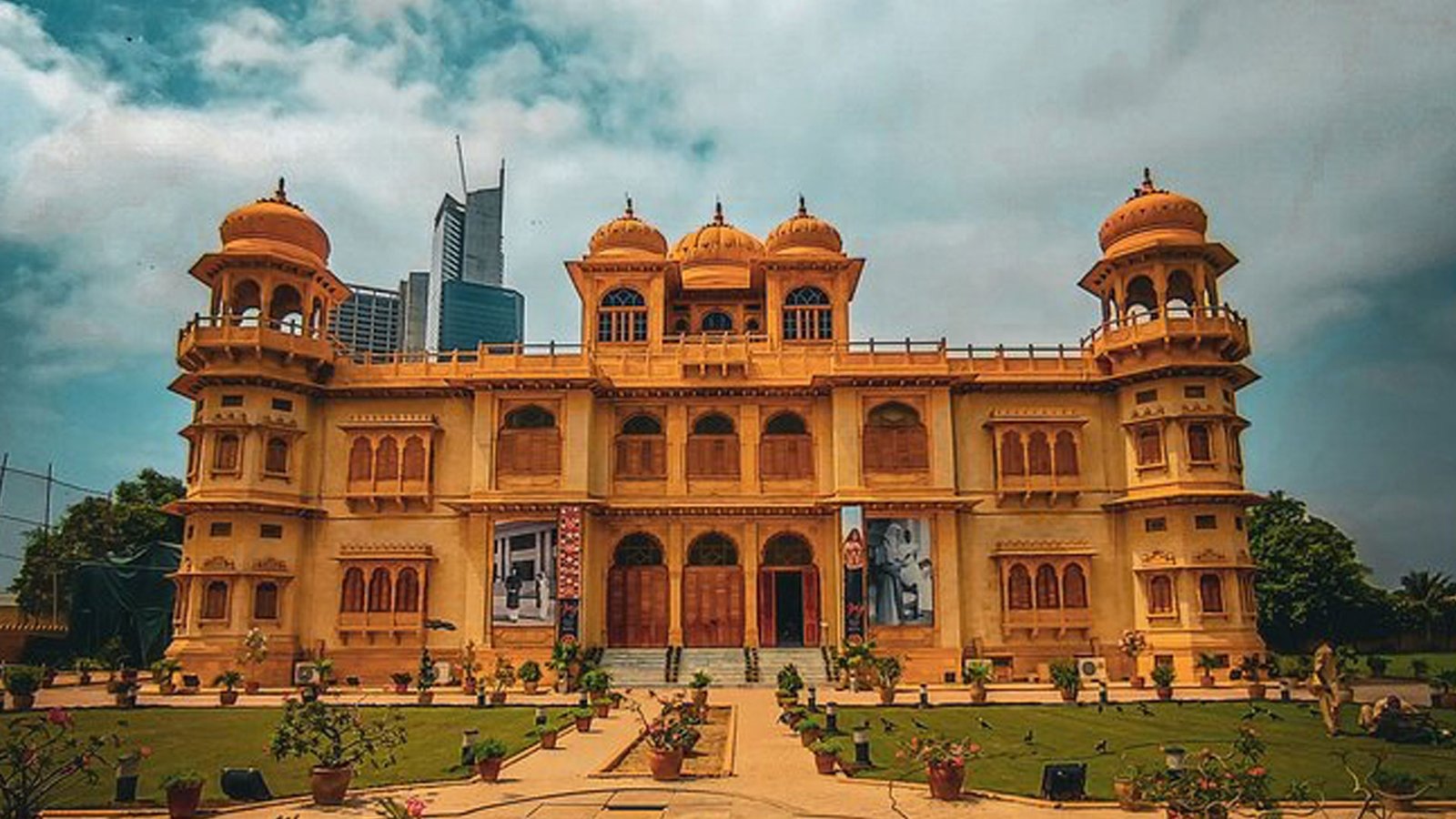
Mohatta Palace Museum is one of Karachi’s most recognisable cultural landmarks. Built in 1927 as the seaside residence of Rai Bahadur Seth Shivratan Mohatta, the palace was designed by architect Ahmed Hussain Agha and is known for its distinctive use of yellow stone and pink Jodhpur sandstone. After Partition, the building was acquired by the Government of Pakistan and used as the country’s first Ministry of Foreign Affairs before later becoming a public museum.
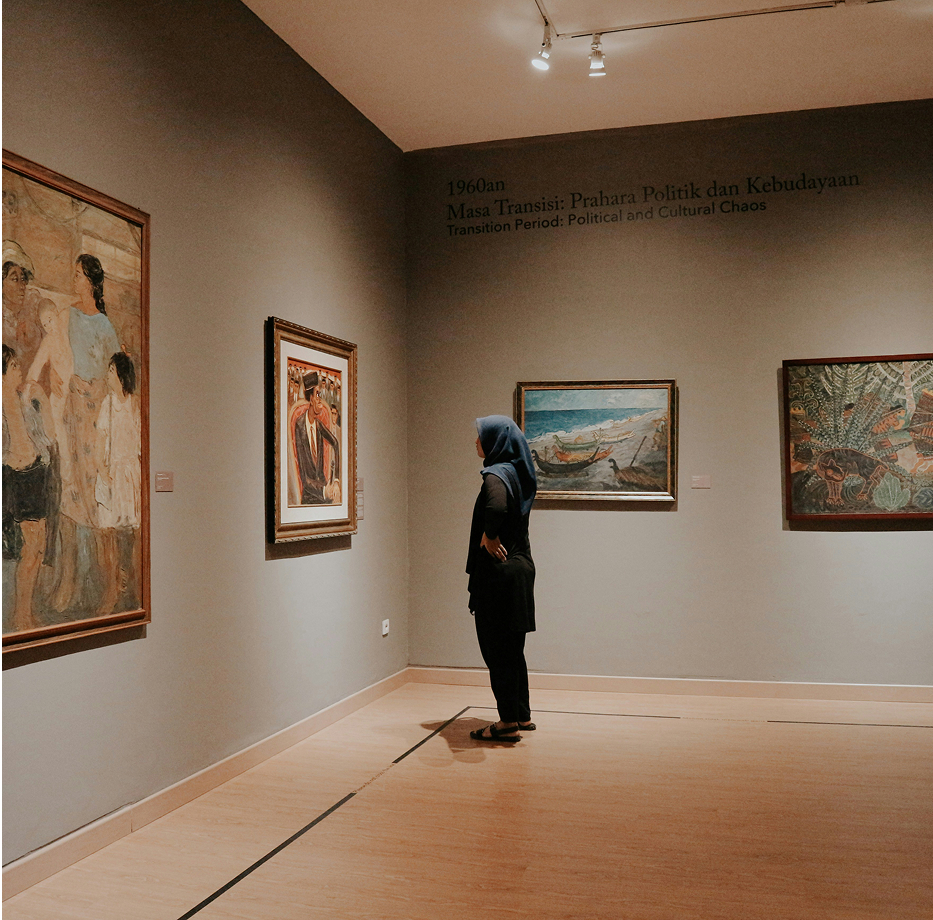
Since opening as a museum in 1999, Mohatta Palace has focused on the fine and decorative arts of Pakistan. Its exhibitions draw on a wide range of materials and traditions, including stone, metal, clay, wood, textiles, and paper. Rather than maintaining a single permanent display, the museum is especially known for its changing exhibition programme, which has explored Karachi’s history, regional craft traditions, architecture, photography, design, and modern and contemporary art.
The building itself is central to the experience. Its scale, layout, and architectural details give visitors a sense of Karachi’s layered social and political history, while its exhibitions place that history in conversation with contemporary cultural questions. Mohatta Palace remains an important space for encountering Pakistani art and heritage in a setting that is itself part of the city’s cultural record.